


9M people already
mined daily
One tap to earn free, grow your network, accumulate digital assets.

9M people already
One tap to earn free, grow your network,
accumulate digital assets.
mined daily
From Mining
to real assets.
Get started in a few steps.
Get the app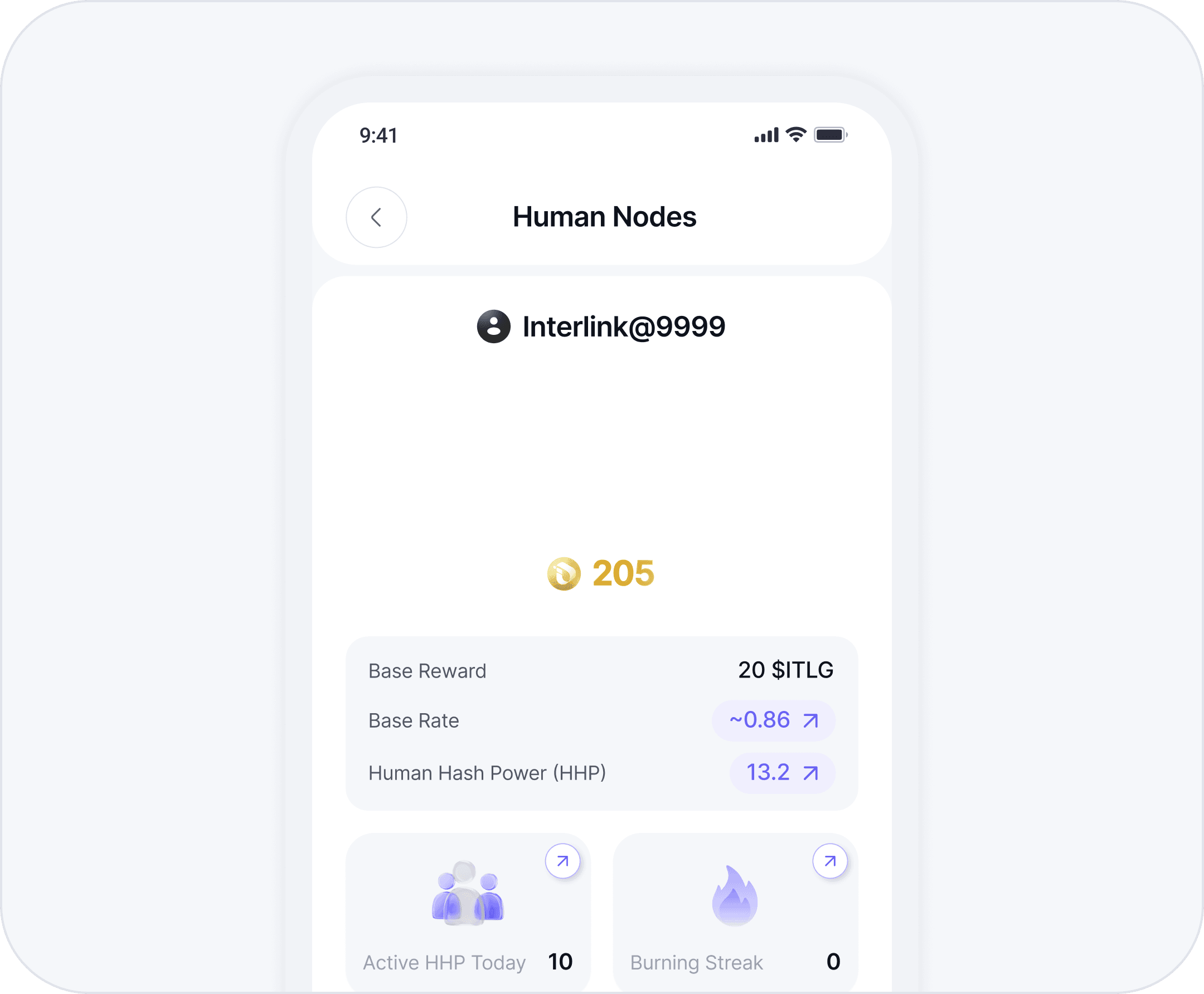
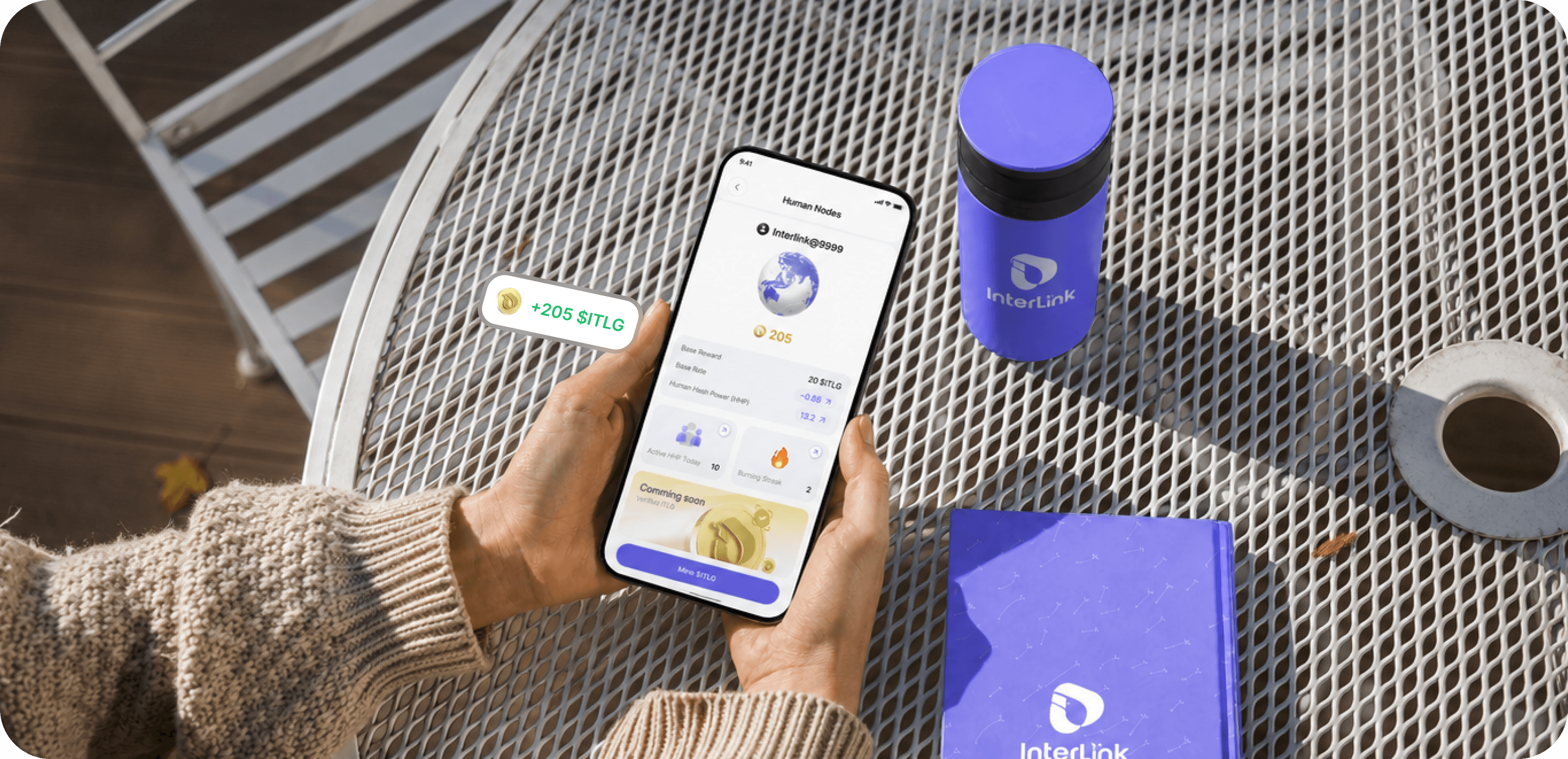
Mine
Free. No battery drain.
Accumulate digital assets daily.
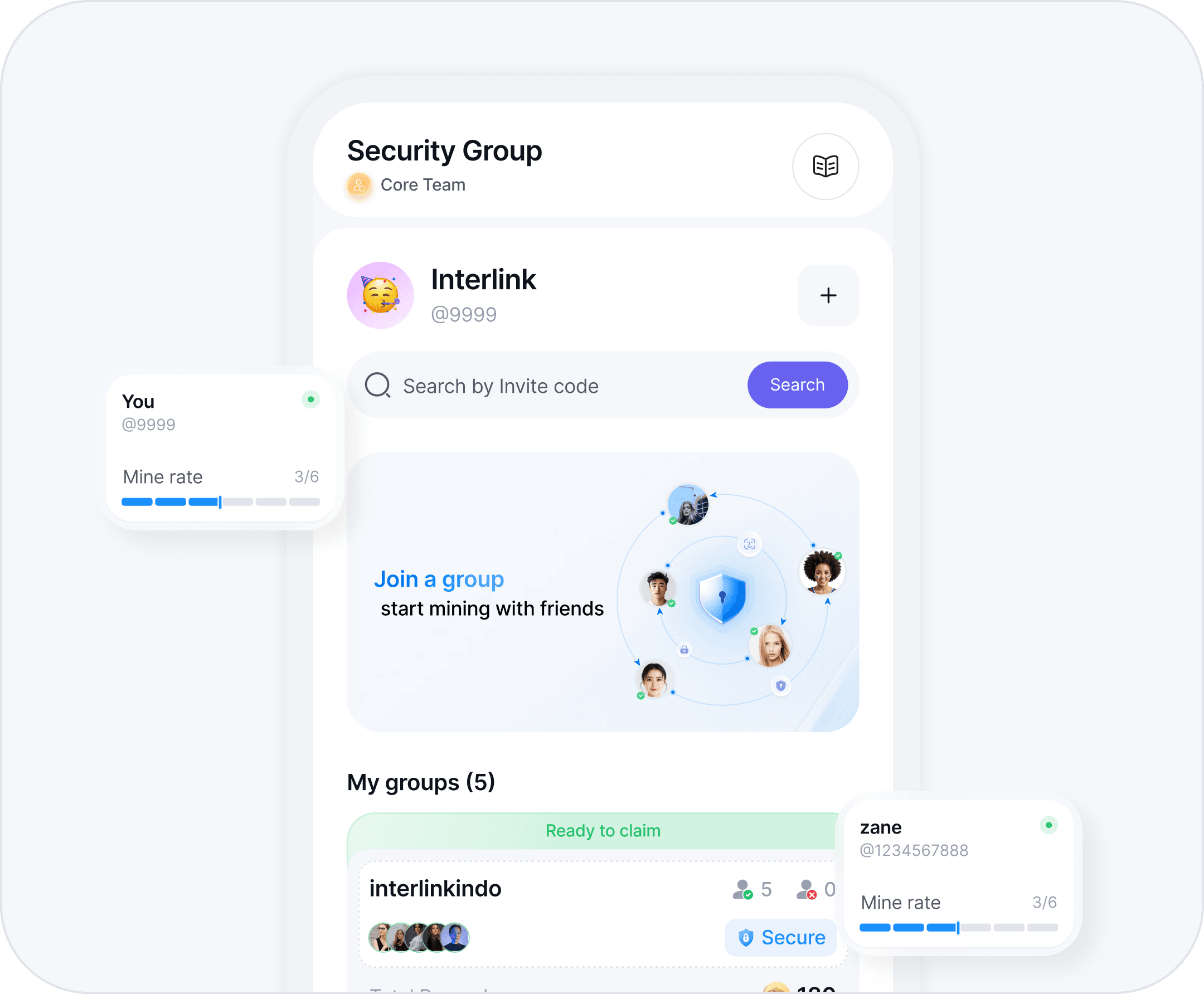
Group Mining
When you mine in a group, everyone's rate goes up.
Collaborate to X10 reward.
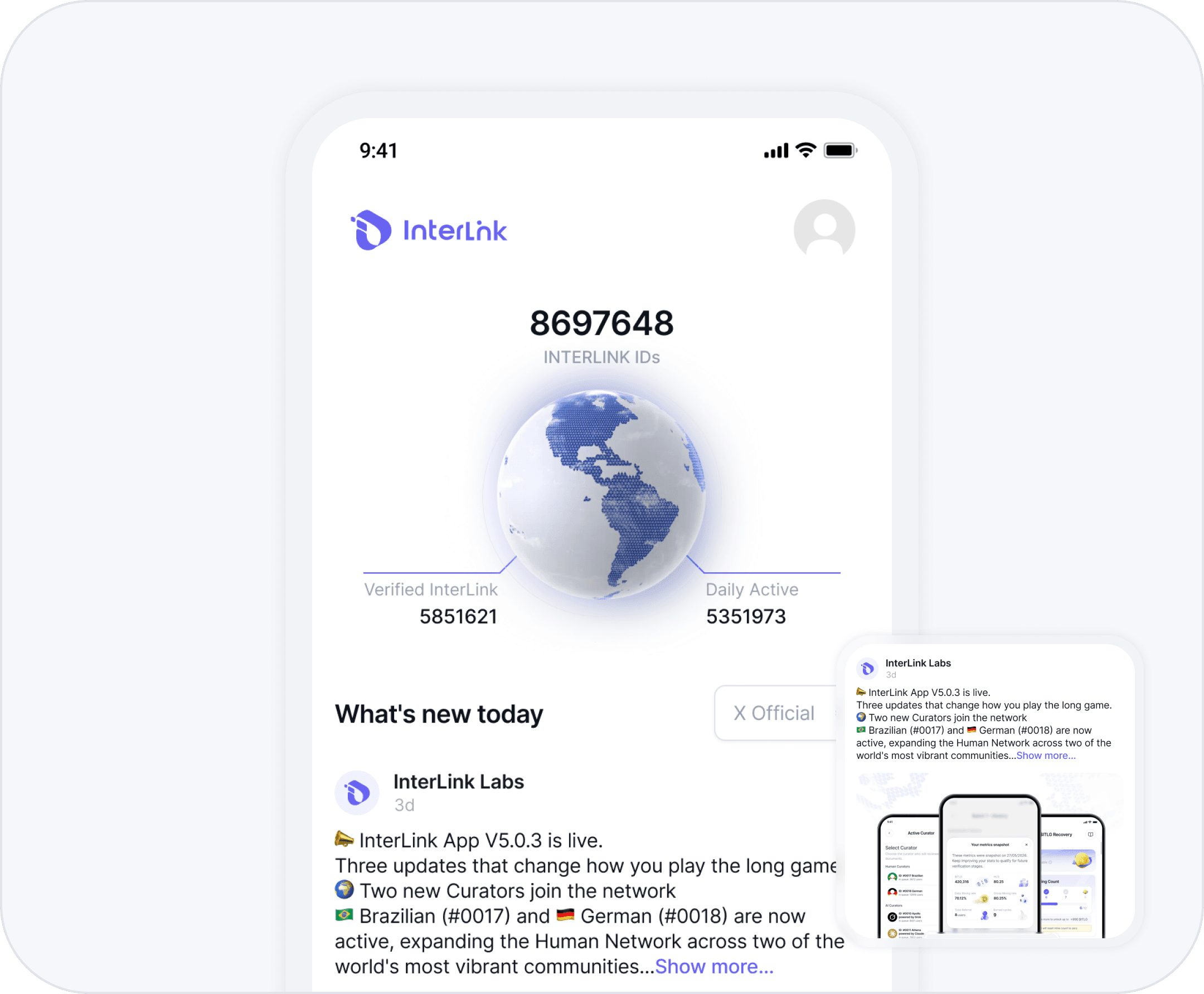
Newsfeed
What's happening in the network? Real talk from
the community - updates, announcements, and
conversations.
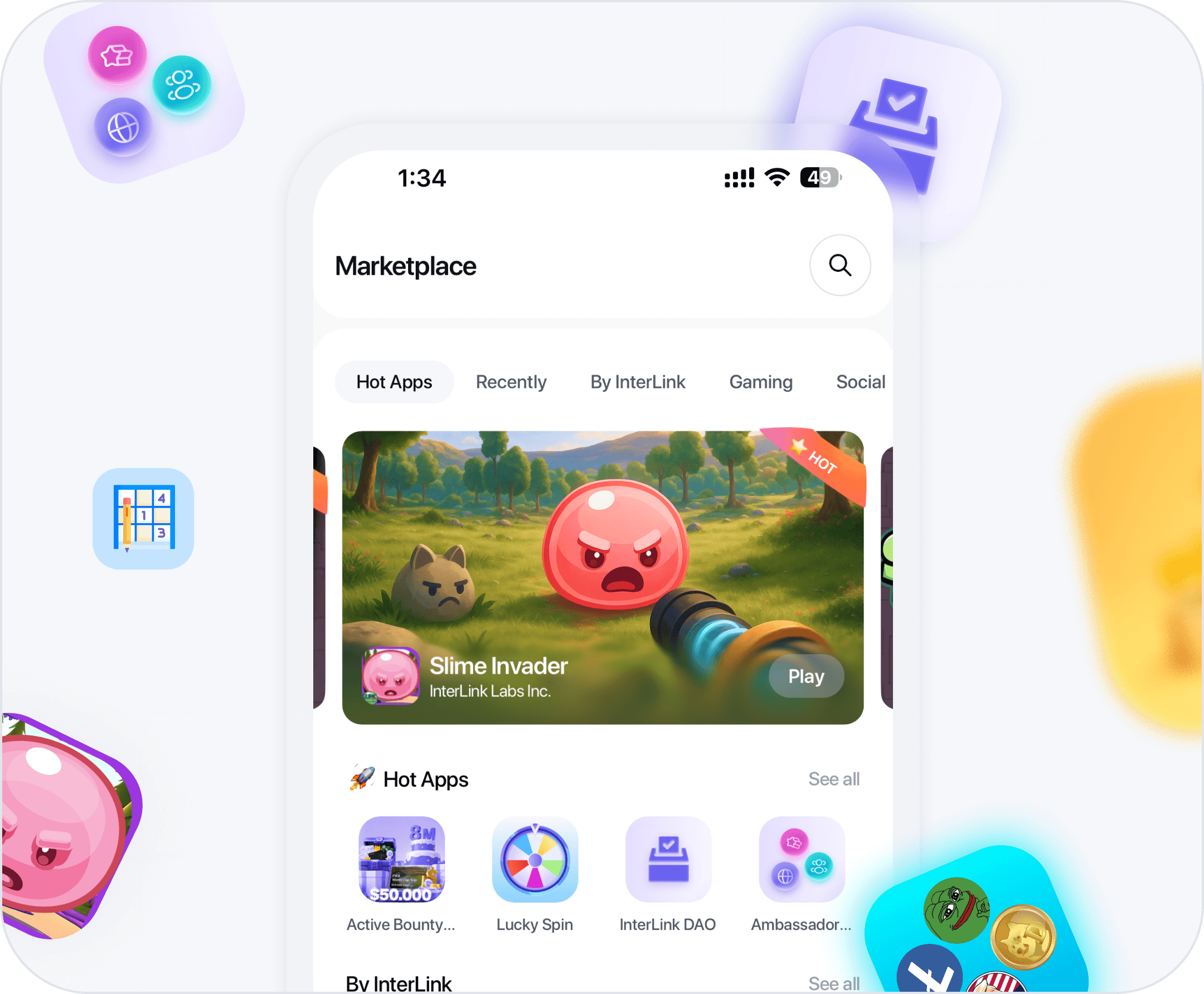
Miniapp
Everything you need inside one app - no switching,
no extra downloads, no new accounts.

On a mission to onboard
a billion users.
The world's largest daily active user base.
Interlink App Update

HAVE YOU CREATED YOUR ATV QR YET? 👀 Don’t wait! Create your @ATV_Interlink QR, start using it for payments, and check in with your QR code to complete the QR Check-In Task. 🔥 Create your ATV QR, start using it, and check in today. Every step helps bring $ITL closer to real-world payments! 💜 #InterLink #ITLG #ITL

Next week, $ITLG Transferable a major milestone that marks the beginning of a new chapter for the InterLink ecosystem. A new phase, new possibilities, and more utilities ahead. Linkers. Are you ready?🔥💜 #InterLink #ITLG #ITL

Elon: “It flies.” Axrolink: “Cool…bro” 🚀 #Interlink #ITLG #ITL
Hi Linkers! The gold verification badge is currently under review and will be back soon. I believe it will return before $ITLG starts to shine! ✨

Transferable ITLG KYC is just one step away. 👀 As the InterLink ecosystem continues to evolve, the next phase of the $ITLG journey is beginning to come into view one that moves beyond simply accumulating $ITLG and gets the community closer to transferability and broader utility across the ecosystem. For everyone who has been mining, participating, and following the journey so far, this is the moment to stay ready for what comes next. One step away. One step closer to the next phase of $ITLG. Don’t stop at mining. The journey is moving forward. #InterLink #ITLG #ITL

STREAMERS & LINKERS, ARE YOU READY? The wait is almost over! 🔥 InterLink Livestream is now in its final testing phase and getting ready for its official launch! We're building what we envision to be one of the most vibrant and exciting livestreaming platforms in Web3. Stay tuned.

Many people have asked me why I keep sharing so much about @inter_link. To be honest, over the past three years, my life has been quite boring. I spend around 14–15 hours every day on @inter_link, seven days a week, researching technologies, coding, operating the ecosystem, and keeping up with the latest developments in technology. That is also one of the reasons why @inter_link has been able to deliver such a huge amount of work within a relatively short period of time, from dApps and partnerships to technology and integrations. Right now, one of the things I am working hardest on is completing the ITLG KYC portal and officially bringing transferable ITLG into the @inter_link ecosystem. Before the one-month KYC period begins, there are a few things I want to share. Today, I made a post asking everyone which one they prefer, ITLG or ITL, and it seems that ITLG is taking the lead. And honestly, that makes sense. From the very beginning, ITLG has been something very familiar to everyone who loves and has followed @inter_link. For me, not everyone who joins @inter_link is here simply to mine ITLG and sell it once it gets listed on an exchange. It is simply something we have built an emotional connection with, or an expectation of a much longer story ahead. It has been a long journey that we have gone through together. We celebrated together, made mistakes together, fixed them together, and continued moving forward together. That is why ITLG has become something that has been with all of us for a very long time. When I saw ITL becoming too dominant compared with ITLG across the ecosystem, I decided that this is the right time for ITLG to officially step into the game. This is not a competition between ITLG and ITL. They are two important parts of the same ecosystem, and I believe they need to complement each other. I also feel that we should take more responsibility for the next generation. Because of that, during this KYC period, users under the age of 18 will also be able to pass KYC with the support and consent of a parent or legal guardian. I understand that helping children and young people gain access to ITLG can also be seen as a form of insurance for their future, because not every family has the financial ability to purchase insurance or build significant savings for their children. At the same time, this can be one way to teach children about the future of digital assets. Personally, I believe digital assets will play a very important role in the future, alongside AI. As a representative of the InterLink Foundation, I also plan to establish a fund to support Linker parents whose children have strong academic achievements or come from difficult financial circumstances. The fund will provide support through ITLG, ITL, or fiat depending on the situation, with the goal of helping young people have access to a better educational foundation and more opportunities for their future. We are not only building @inter_link for ourselves. The next generation will eventually be the ones carrying greater responsibilities for this world. If what we are building today can help give them a better education, earlier access to digital assets and technology, and a stronger foundation for their future, then I believe that is something truly worth doing.
DON’T MISS WHAT’S NEW ON BITFLIP 👀 @BitFlipITL just got more flexible with the new Market feature, giving users another way to manage their positions and explore a different trading experience inside the game. But that’s not all. 🎟️ The new marketplace mechanic is only the beginning Jackpot is also on the way, introducing a new reward mechanism designed to bring more excitement and more ways for the community to participate. Explore the new Market. Get familiar with the new mechanics. And stay ready for Jackpot. More ways to play. More features to explore. More rewards coming to the BitFlip community. #InterLink #ITLG #ITL Media
InterLink Plans to Bring ITLG Into Gaming And Social Apps InterLink (@inter_link) Chairman KV (@kv_interlink) says the KYC portal for Transferable $ITLG will open soon. He outlined ITLG's planned role in ecosystem governance, staking rewards and dApp payments. The token is also planned for gaming, livestreams and the ecosystem's business token exchange. Launchpad projects building on InterLink are another planned source of token utility. The ecosystem also plans buyback and burn mechanisms through ITLX, InterLink’s decentralized trading platform. No specific opening date was announced. Media

Bro really tried to unlock 2x mining with two fingers...but points for creativity 😂 #InterLink #ITLG #ITL
Frequently asked
questions
Everything you actually want to know before you download.
Yes. The InterLink mining app is completely free. Users do not need to purchase hardware, pay fees, or make any financial investment to participate. Mining is activated through a simple tap in the mobile app.