



Mobile Crypto Mining in 2026: Is It Worth It? (Beginner Guide)
Aug 06, 2026
Our journey
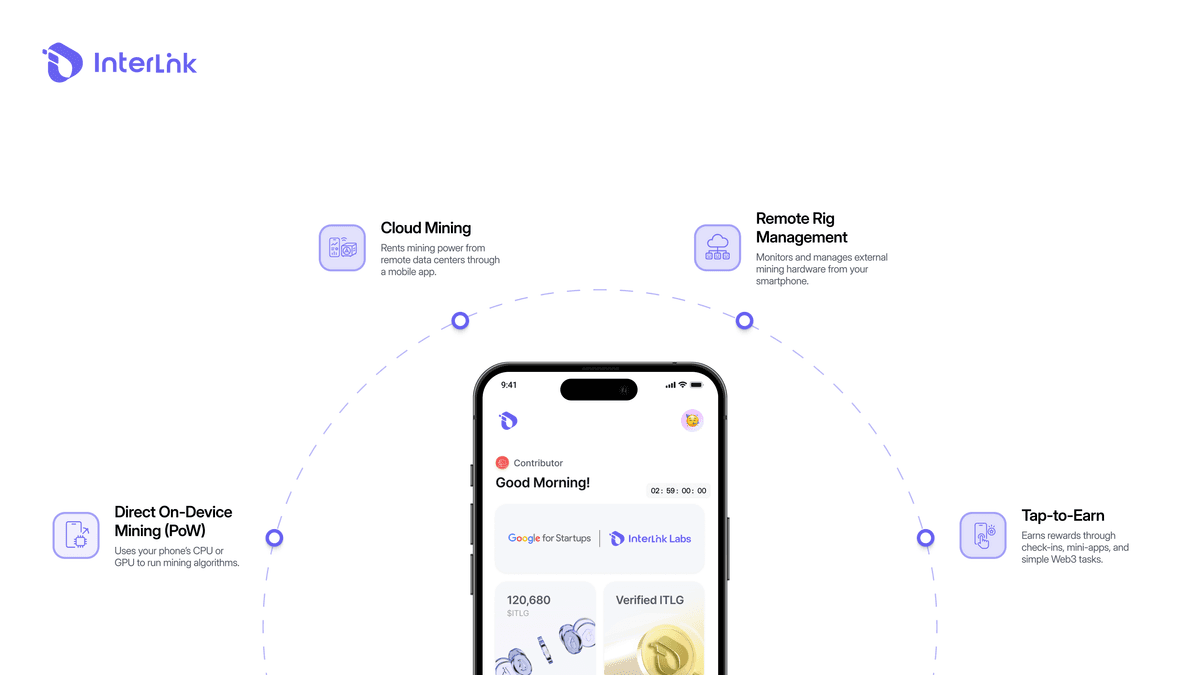
In 2026, mobile crypto participation across Asia has shifted away from hardware-draining mining toward lightweight, energy-efficient alternatives: Proof-of-Stake (PoS) staking, DePIN bandwidth nodes, and Web3 mini-app tasks. Is mobile crypto mining profitable in 2026? Short answer: No. Direct Proof-of-Work (PoW) crypto mining on a smartphone yields less than $0.01 – $0.03 per day while causing irreversible battery degradation and severe overheating.
What is smartphone crypto mining and how does it work?
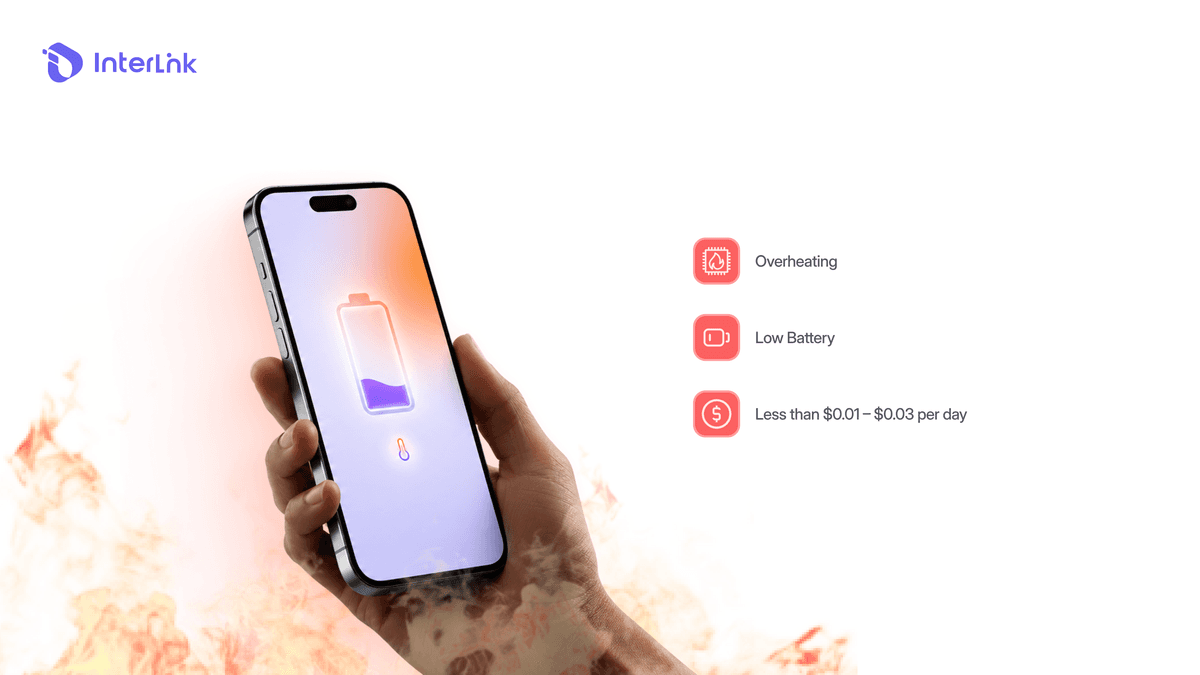
Smartphone crypto mining uses a phone’s System-on-Chip (SoC) to validate blockchain transactions and execute cryptographic algorithms. In 2026, mobile crypto activity falls into four distinct models:
- Direct On-Device Mining (PoW): Running intensive mining algorithms using your phone's CPU/GPU.
- Cloud Mining: Renting hash power from external data centers via mobile interfaces (e.g., ECOS).
- Remote Rig Management: Using a smartphone app to monitor external hardware rigs located in data facilities (e.g., NiceHash, ViaBTC).
- Gamified / Simulated & Tap-to-Earn: Earning tokens through daily check-ins, Telegram mini-apps, or community tasks rather than technical computation (e.g., Pi Network, Telegram ecosystem projects).
Key Concept: Proof-of-Work (PoW) requires high computational power to validate block transactions, whereas Proof-of-Stake (PoS) validates transactions based on the amount of tokens locked in a digital wallet.
How much can you earn mining crypto on a phone in 2026?
Based on 2026 benchmark testing on flagship smartphones, direct mobile mining produces negligible financial returns due to extreme hardware limitations when competing with industrial mining rigs:
| PARAMETER | SMARTPHONE (2026 FLAGSHIP) | INDUSTRIAL ASIC MINER |
| Algorithm Performance | 50 – 100 H/s (RandomX) | 150+ TH/s (SHA-256) |
| Estimated Daily Revenue | < $0.01 – $0.03 / day | Varies by network difficulty |
| Hardware Impact | Critical (Thermal throttling & battery ruin) | Designed for continuous heavy load |
| Profitability Verdict | Net Negative | Dependent on localized electricity costs |
Key Concept: Hashrate (H/s vs TH/s) measures mining speed. Industrial miners operate in Terahashes (trillions of hashes per second), making phone-based hashes (H/s) mathematically ineffective for earning network block rewards.
What are the main benefits of mobile crypto mining and participation?
Engaging in modern mobile crypto activities offers three key advantages for everyday users:
- Zero Upfront Hardware Costs: Unlike traditional mining that requires thousands of dollars in specialized ASIC rigs, mobile crypto allows anyone to enter the Web3 ecosystem using their existing smartphone without heavy capital investment.
- Unmatched Portability & Convenience: Mobile-first crypto solutions let users manage nodes, track rewards, and interact with decentralized networks anytime, anywhere right from their pocket.
- Gateway to Energy-Efficient Web3 Ecosystems: Modern mobile mechanisms (such as DePIN lightweight nodes and Web3 mini-apps) offer eco-friendly, energy-efficient ways to earn digital assets without excessive power consumption or complex technical setups.
What are the best alternatives to mobile crypto mining in 2026?
Instead of draining your phone's battery for pennies, Web3 users in 2026 leverage lightweight, device-friendly alternatives:
- DePIN Networks (Decentralized Physical Infrastructure): Operating smartphones as lightweight nodes to share unused internet bandwidth, location data, or bluetooth coverage in exchange for utility tokens without burning CPU power.
- Proof-of-Stake (PoS) Staking: Locking crypto assets in non-custodial mobile wallets to earn yield (APY) without hardware overhead.
- Web3 Quests & Tap-to-Earn: Earning rewards through mini-apps, community ecosystem testing, and interactive Web3 tasks.
Key Concept: DePIN (Decentralized Physical Infrastructure Networks) allows everyday hardware (like smartphones) to contribute real-world utility-such as mapping or telecom coverage-without burning battery life.
Conclusion
Direct Proof-of-Work mining on smartphones is generally impractical in 2026 due to hardware strain, battery consumption, and limited computing power. For users exploring mobile Web3, more sustainable options include PoS staking, DePIN participation, and verified Web3 mini-apps. As always, DYOR before connecting your wallet to any third-party platform. Ready to explore how InterLink’s mobile mining ecosystem works and how to get started with ITLG?
Continue Reading: How To Start Mining $ITLG Token On InterLink 2026: Step-By-Step Guide

