



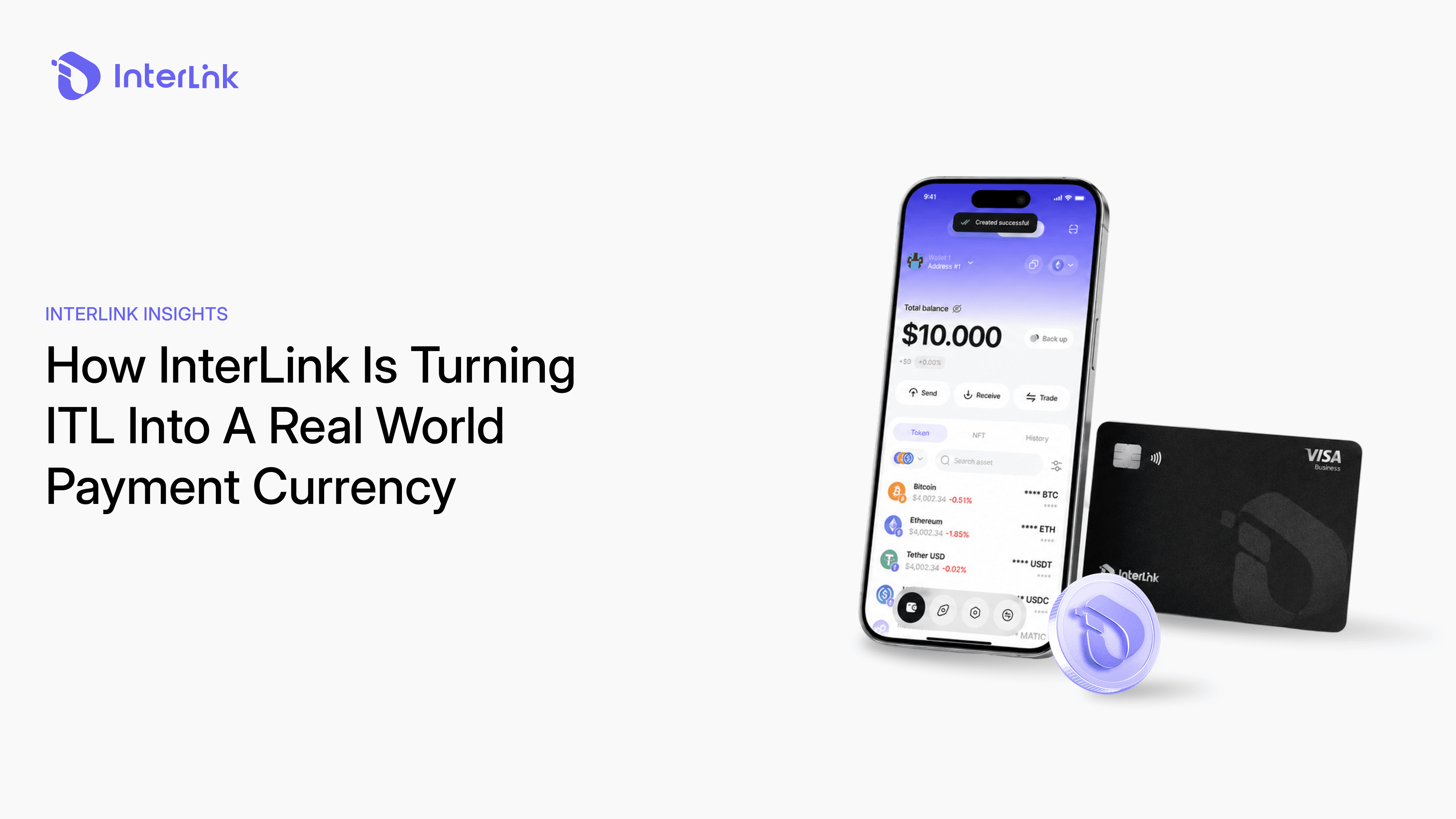
How To Use InterLink Mini Apps & AI Tasks: A Complete Guide
Aug 17, 2026
Technology
For years, the crypto industry has talked about mass adoption. The truth is that mass adoption doesn't happen when people speculate on tokens. It happens when they can buy coffee, order food, subscribe to Netflix, purchase a new game, or shop online using digital assets without thinking twice.
This is exactly what InterLink is building toward: blockchain infrastructure connected to real businesses, real merchants, and real consumer demand. Let's explore how ITL is becoming a real world spending engine and why the growing dApp ecosystem is making it even more valuable.
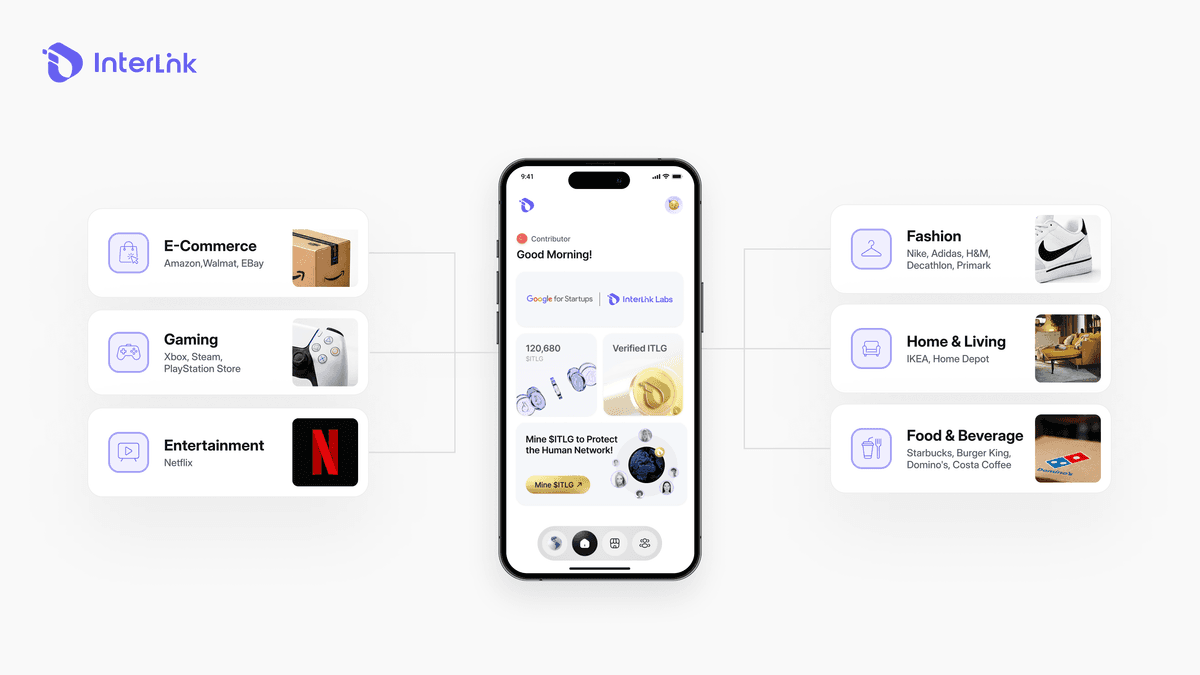
ITL - From Token to Real-World Currency
InterLink's ITL token is designed as the primary payment and settlement currency across the entire InterLink ecosystem. Unlike many crypto projects that focus purely on speculation, InterLink is building real utility allowing users to spend crypto on products and services from globally recognized brands.
Supported categories include:
Think of it like this: Instead of going through complicated steps to convert crypto to cash, you can already use your InterLink Visa Card to spend USDT directly when buying an iPhone from Apple, ordering coffee at Starbucks, or shopping on Amazon.
InterLink describes the Amazon integration as the first major real-world use case for its ecosystem, with a vision to expand to 10,000 payment points worldwide. While ITL is still in its pre-listing phase, this existing payment infrastructure serves as a massive foundation ensuring that once ITL goes live, it can seamlessly plug into a ready-made network of global merchants.
Version 5.0.5 - Making Crypto Payments Feel Like Mobile Banking
The latest InterLink update (Version 5.0.5) brings crypto payments closer to daily life through three major features:
The goal: Make Web3 feel as simple and familiar as mobile banking, while giving users more ways to spend, connect, and interact with crypto in real life. Crypto should not just sit in a wallet. It should move through everyday life.
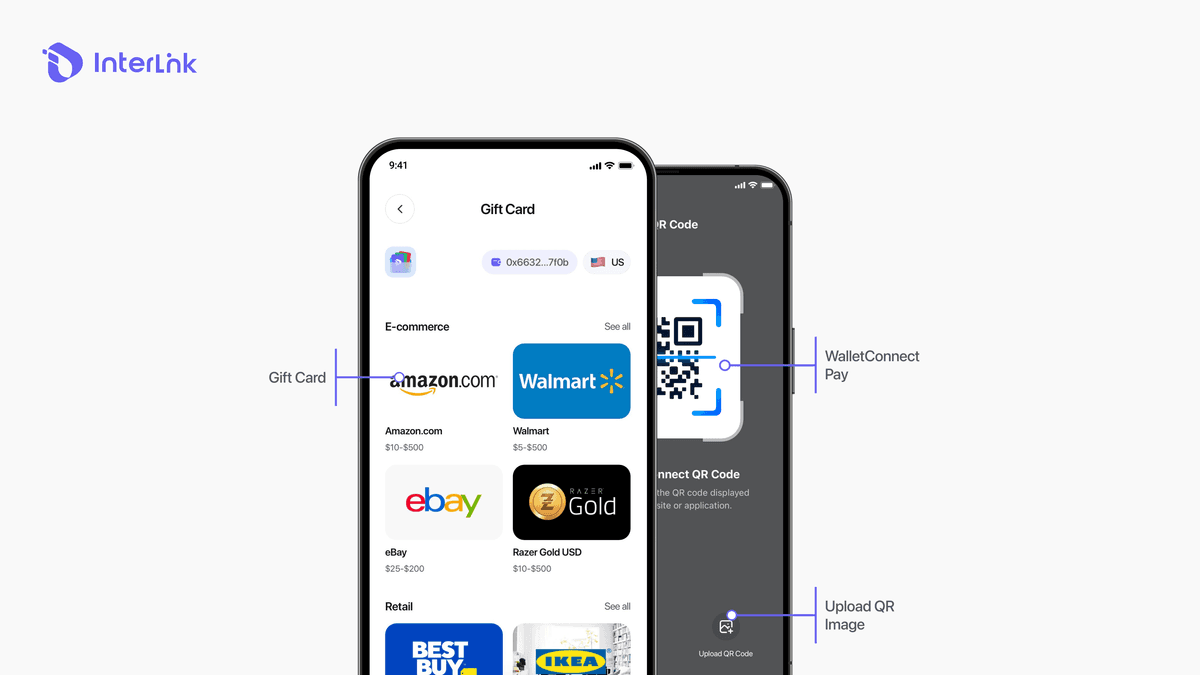
Can You Pay With USDT Through InterLink?
Yes. The InterLink ecosystem supports USDT in certain products; for example, collateralized borrowing or stable settlement paths. This means you can interact with USDT within the ecosystem while still using ITL as the primary payment currency.
Visa Integration: In the future, InterLink plans to integrate ITL and ITLG into Visa card payment infrastructure, enabling tens of millions of InterLink Visa Cards to transact directly using the project's native tokens.
The InterLink Visa Card, launched in partnership with HPX Official, leverages Visa's global acceptance network allowing users to spend crypto at over 50 million merchants across up to 170 countries.
This positions ITL as a widely adopted payment currency within a global, real-world transaction ecosystem.
Why dApps Are the Key to ITL's Value?
A blockchain is only infrastructure. No matter how fast, secure, or decentralized it is, its long-term success depends on one thing: whether people actually use it.
That usage comes from decentralized applications (dApps). dApps are where users make payments, trade assets, play games, invest, communicate, and interact with digital economies.
Every successful dApp:
Generates more transactions
Attracts more users
Encourages more developers to build
Reinforces the network's value
The network effect: Each application serves a different audience, but all of them contribute to the same blockchain by generating transactions, consuming block space, increasing liquidity, and creating demand for the native token (ITL).
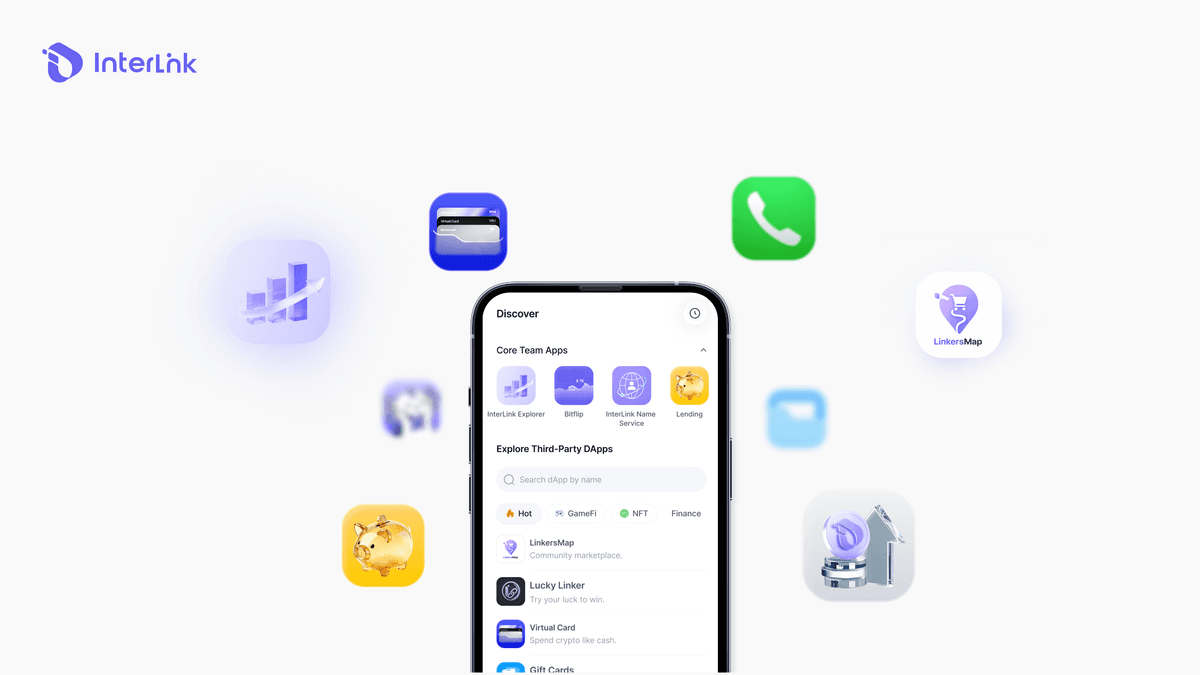
What's launching on InterLink?
The vision goes far beyond launching a blockchain. The objective is to create a complete digital economy where businesses, developers, entrepreneurs, and communities can build applications that solve real world problems.
How InterLink Decentralized Identity (DID) Supports the Vision
InterLink ID functions as a verified, human-centric digital identity layer. By providing unique personhood, it enables Sybil-resistant participation in governance, rewards, mini-apps, and potential future distributions.
In the longer-term vision, a robust decentralized identity system could support fairer resource allocation models in an increasingly automated economy. This remains a forward-looking goal rather than a fully implemented system today.
The Bottom Line - Why This Matters for ITL's Value
Here's the honest take:
Utility creates transactions. Transactions create liquidity. Liquidity attracts more businesses. And every new business strengthens the value of the entire ecosystem. The future of crypto isn't another meme coin. It's becoming part of the global economy. And that future is starting now.
Important Disclaimer
This article is for educational purposes only and does not constitute financial, investment, or legal advice. Crypto assets involve substantial risk, including possible loss of value. Token utility, reward rates, and conversion mechanisms can change. Always conduct your own research (DYOR) and use only official channels.
Want to Learn More?
If you're interested in how InterLink Labs is building real-world utility for crypto, you can explore the app and see the ecosystem for yourself with no commitment needed. For users ready to troubleshoot common verification issues, explore our next guide on how to fix InterLink verification errors and secure your account.

